Takagami Maru
Takagami Elementary School (Choshi, Japan) and Richmond Elementary School (OR, USA) & Columbia River Maritime Museum

Updates:
1st Voyage - Quiet after 131 days at sea
-
September 2018 - Preparations
Starting in September, each fourth grade class at Richmond Elementary School received a boat kit and started planning the construction and launching of Hull #015 of the Columbia River Maritime Museum’s Fleet.
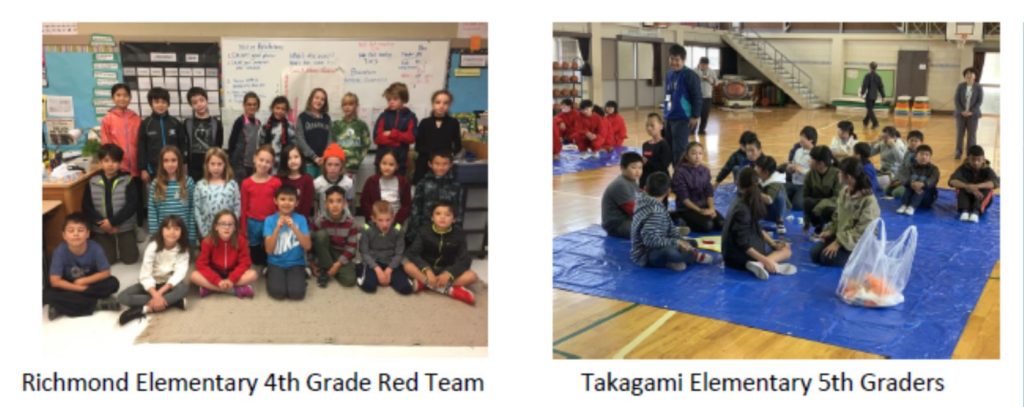
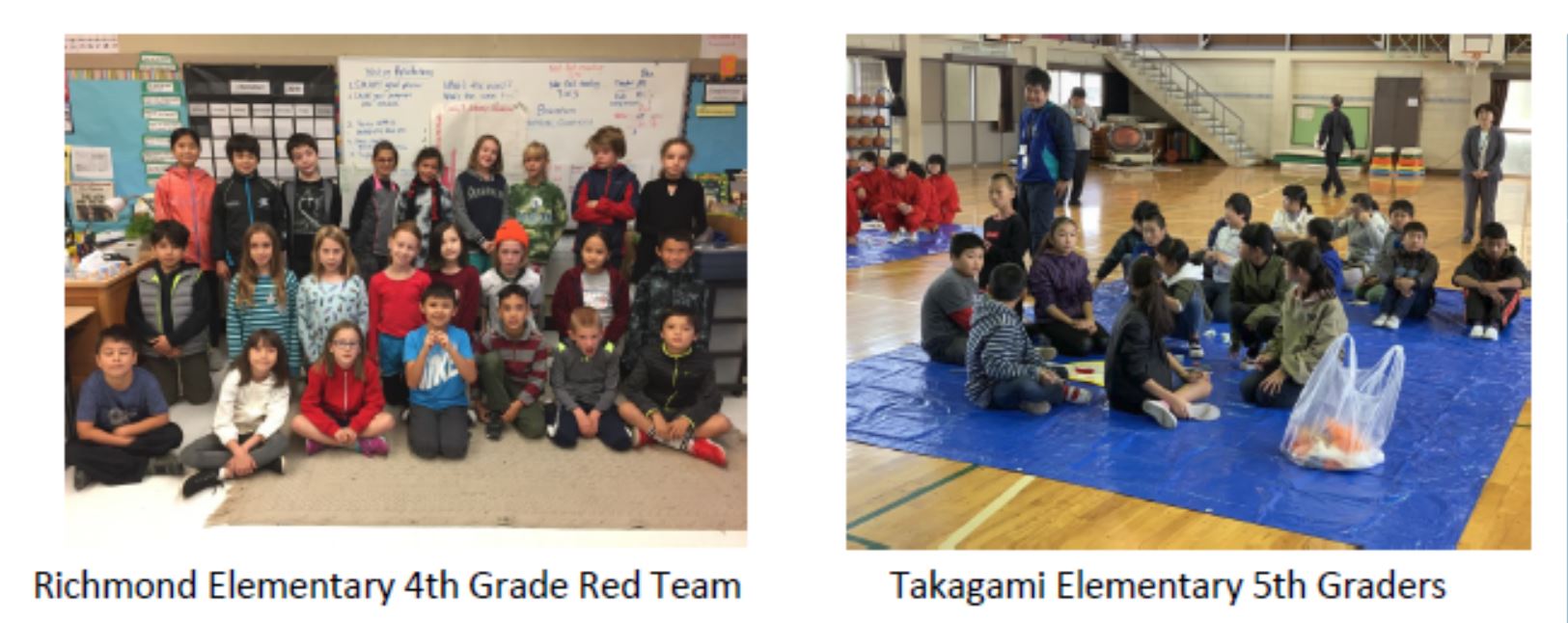
Richmond Elementary School is located in Portand, Oregon and is a Japanese Immersion School. The entire 4th grade is participating in CRMM’s Miniboat Program during the 2018-2019 School Year.
The Japanese Immersion Program began in 1989 with two kindergarten classes at Richmond Elementary School. Now, a complete K-12 language immersion program with students starting at Richmond for kindergarten and stay-ing through 5th grade. At Richmond Elementary, students spend half their day learning in Japanese and the other half in English. Teachers provide lessons in literacy, math, science, and social studies in both languages.
STUDENT TEAMS
The CRMM Miniboat Program is student driven with all the work and decisions being made in-dependently by the students in their self assigned team.
- INTERNATIONAL RELATIONS/RECOVERY TEAM
- HULL TEAM
- KEEL TEAM
- DECK TEAM
- SAIL TEAM
- CARGO/FIGUREHEAD TEAM
- PHOTO/VIDEO TEAM
-
Meet the teams
International Relations and Recovery Team
Deck Team 
Hull Team 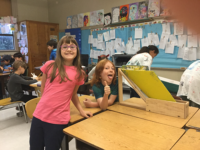
Keel Team 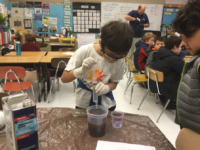
Keel Team 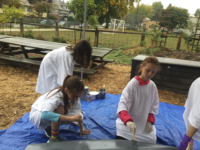
Hull Team -
Transporting to Japan
After eights weeks of planning and construction the Red Team at Richmond Elementary School finished their miniboat and were ready to send it to Japan with the Education Director of the Columbia River Maritime Museum.
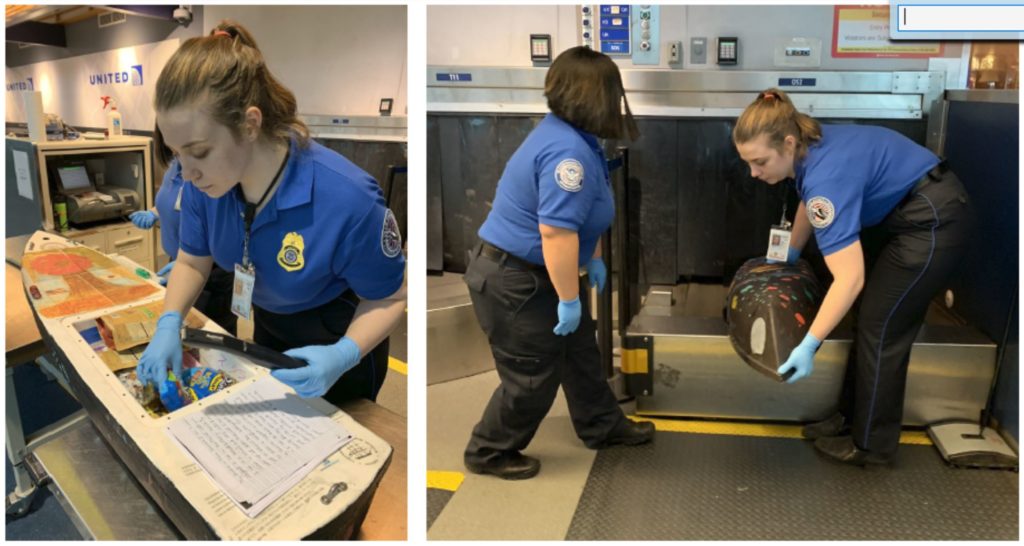
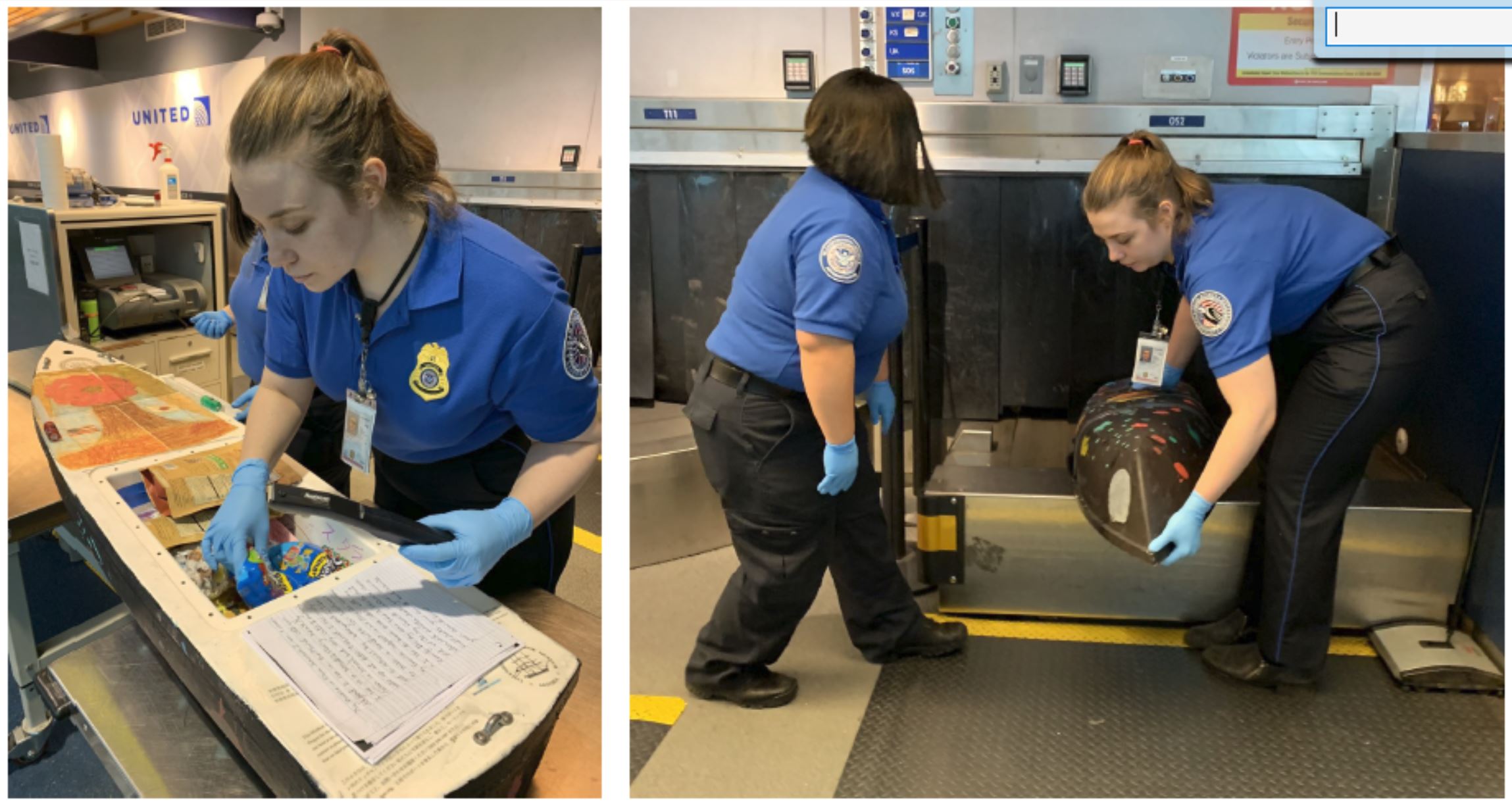
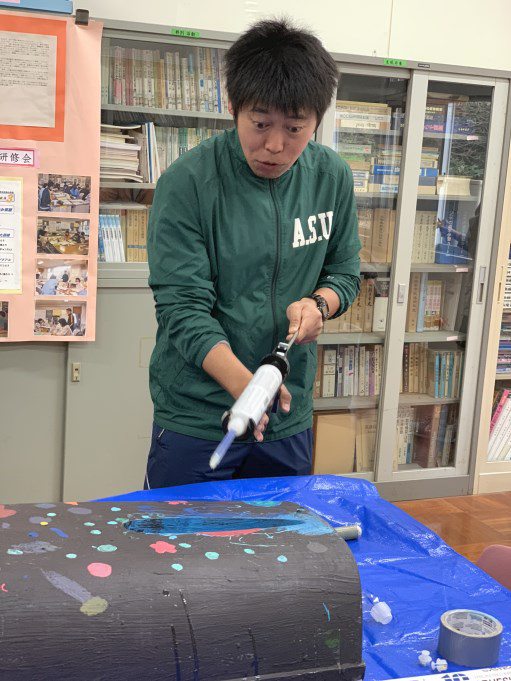
TSA Agents, who are also miniboat trackers, giving the M/B Takagami Maru getting the star treatment at PDX. Once in Japan Nate Sandel, Education Director at the Columbia River Maritime Museum met with the mayor of Choshi and then got to works with the students at Takagami Elementary School. The students (and staff) laid the keel, loaded the cargo, sealed the hatch, painted the sail and the boats name on the transom.
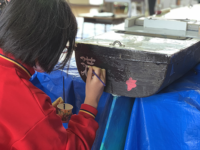
Painting the name on the transom 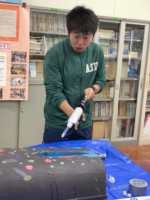
5th Grader teacher helping attach the keel -
November 21, 2018 - Launch Day
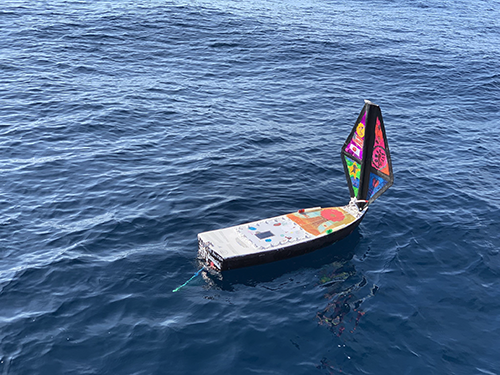
Takagami Maru at Sea Launch Day– November 21, 2018
Location- 15km off the coast of Choshi, Chiba, JapanWe were joined onboard the FLIPPER for the launch by Sawako Ishi-ge, principal of Takagami Elementary School. Special thanks to Cap-tain Mr. Yukio Miyauchi of the Choshi Ocean Institute for helping use launch the Miniboats safe and successfully.
The Choshi International Relation Department received word in October that “We got permission from Marine Safety Agency and secure the boat to get out of the coast. The boat〝Flipper” is for watching whales and dolphins. The capacity is 40 people. On 21st November the Flipper will take us 30km (15 miles) off the coast, because we want to place the Miniboat on the ocean currents. The captain of the Flipper advised us that if we do not place the Mini-boat further than 30km offshore, it will increase the possibility of it coming back to Choshi or being crushed by cargo ships.”

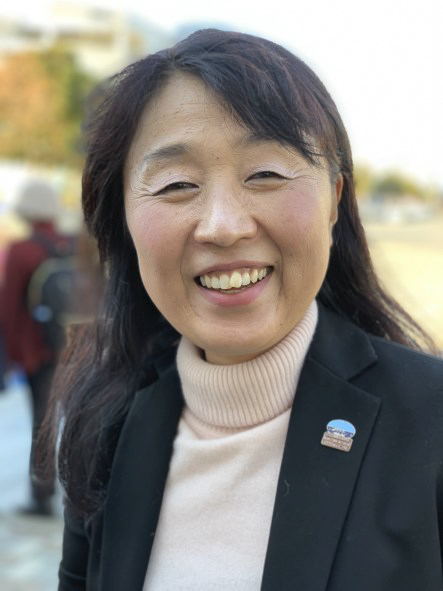
Sawako Ishige 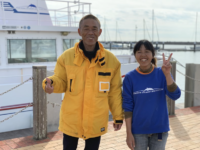
Captain Yukio Miyauchi and his wife 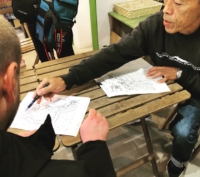
Captain Yukio Miyauchi going over the currents with Nate Sandel, Education Director at the Columbia River Maritime Museum 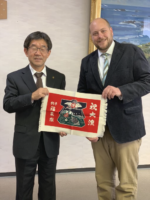
Koshikawa Shinichi, Mayor of Choshi -
March 31, 2019 - Quiet at sea
After 131 days at sea we last received a location on March 31, 2019.
-
August 2026 - Miniboat Monday Memory
Columbia River Maritime Museum (CRMM) pays tribute to their miniboat programming history, leading up to their 10 year celebration! Their “Miniboat Monday” highlight on August 24, 2026 was of M/B Takagami Maru.
Check out their Facebook post below:
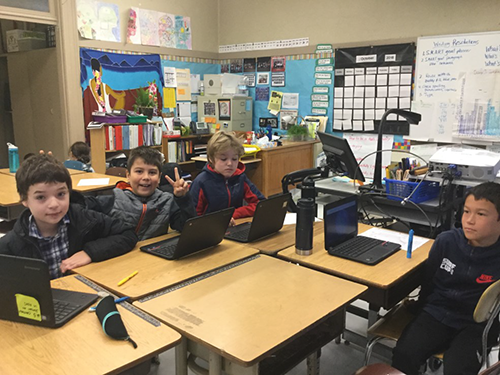
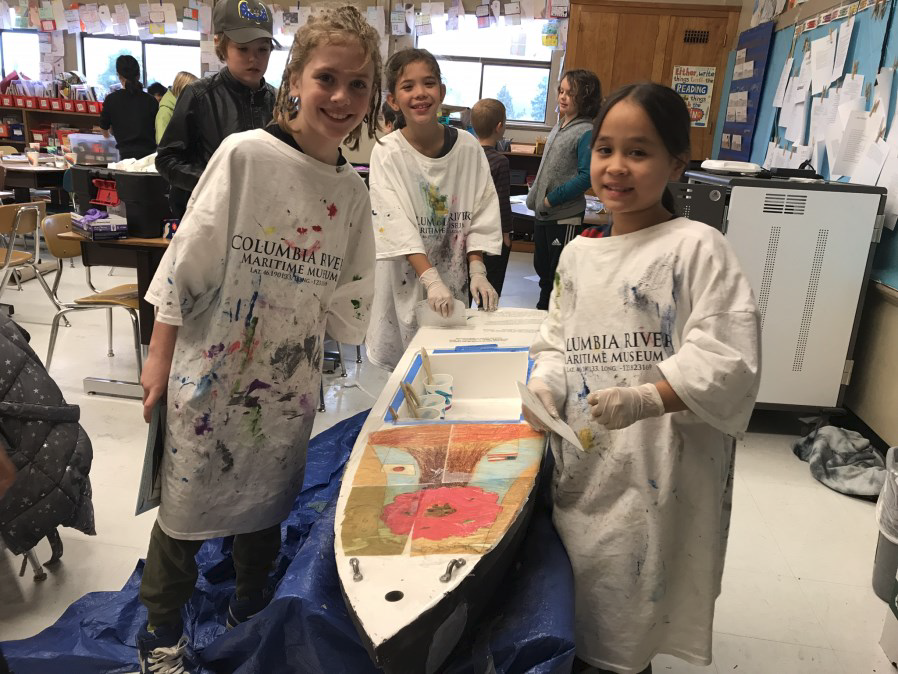
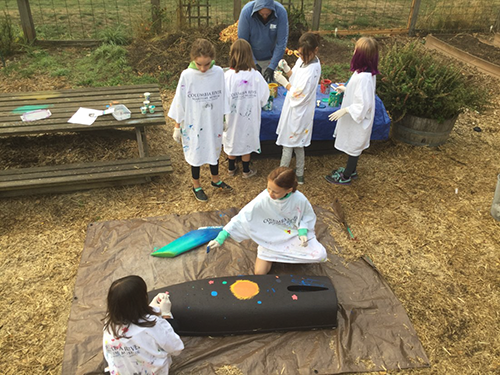

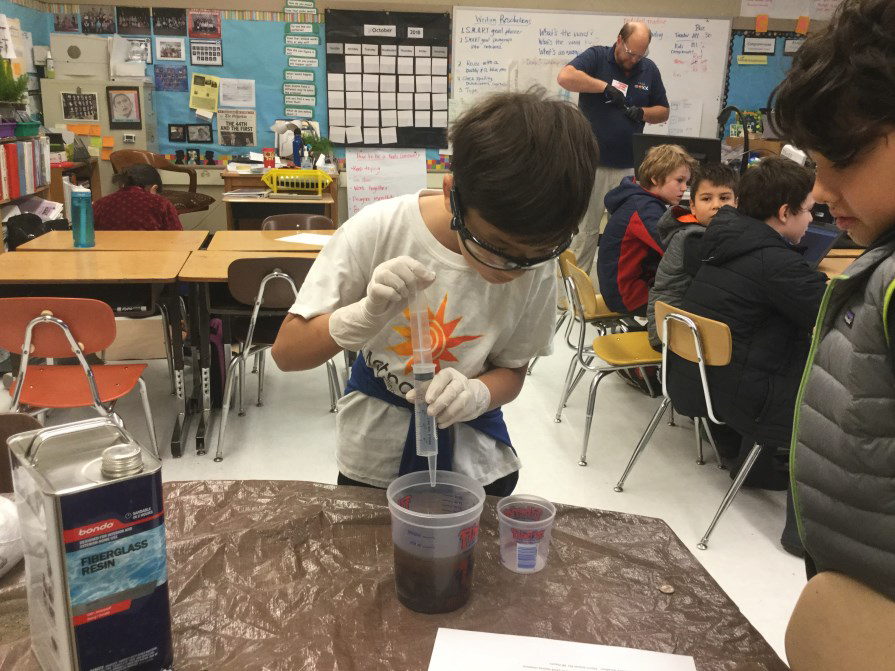





Columbia River Maritime Museum’s Miniboat Program celebrates 10 years! Over this first decade, the program has provided a global, multidisciplinary STEAM learning experience for 4th through 7th grade classes. Students work in teams to design, assemble, launch, and track GPS-equipped boats. Each classroom learns about maritime history and culture of the Pacific Northwest and across the Pacific Ocean. In 2027, we will also plan to launch our 50th miniboat!
The program is in partnership with Educational Passages and has been supported by numerous organizations and private donors, including Consular Office of Japan in Portland, Pacific Power, NWSTEM Hub, West Marine BlueFuture Fund®, Northwest Oregon Works, and U.S. Coast Guard.